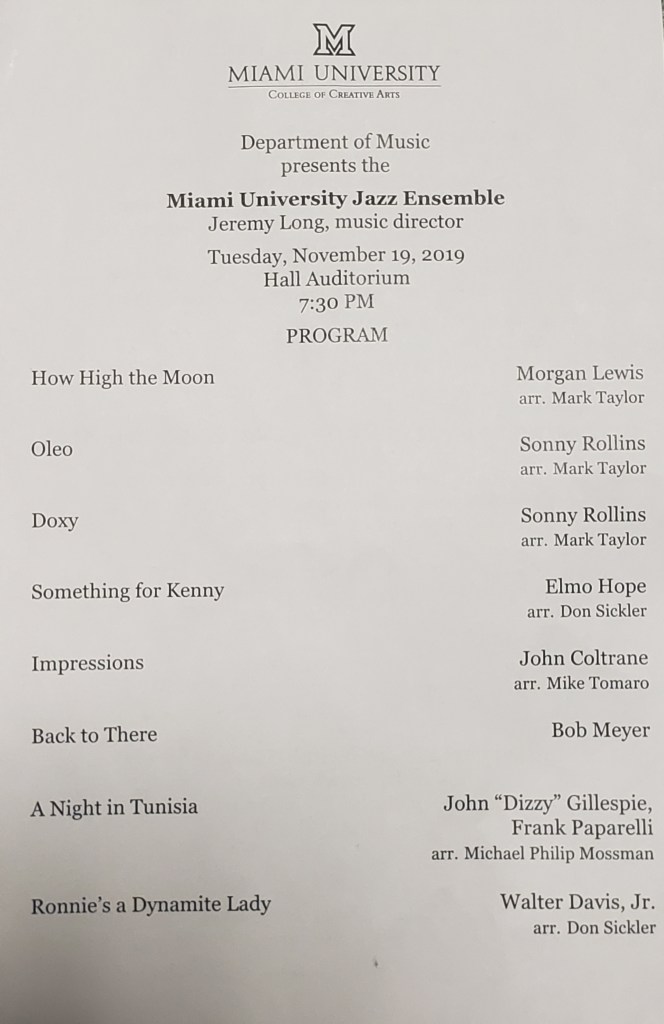
The Miami University Jazz Ensemble directed by Jeremy Long performed at Hall Auditorium on Tuesday, November 19, 2019. While Todd Humphrey played the cello in Souers Recital Hall on Wednesday, November 20, 2019. The Jazz Ensemble played in a much bigger auditorium that offered for many more people to see the Jazz Ensemble perform and there were microphones in front of the performers and when they played a solo they stood up and played directly into the microphone to let the people listening hear better.
The Jazz Ensemble played jazz music and when the music featured a specific individual the individual would stand up and get closer to a microphone so the audience would be able to hear the solo better. The music director, Jeremy Long, would talk between songs saying the names of the soloists and telling the audience what the next song is called, who wrote the song, and who arranged the song. Jeremy Long would also conduct and make sure that the soloists were at the right spot and the audience could hear the music clearly. This allowed for more audience participation and through this helped the audience remain connected with the performers.
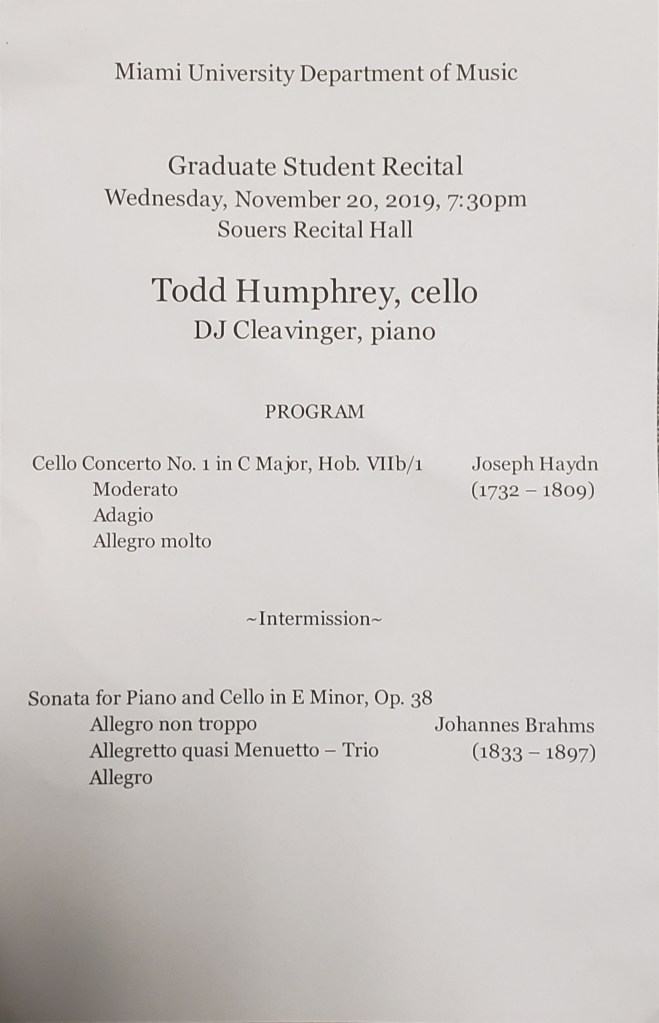
The recital was much different with no solos being highlighted due to the fact the works are meant to emphasize Todd Humphrey and his skill on the cello. No one talked about the works being performed. With three people being on the stage one played the piano, one changed the sheet music for the piano player, DJ Cleavinger, and Todd Humphrey on cello. For the second piece in the recital Todd Humphrey used sheet music, but the first work was played through memorization.
The two different performances varied substantially in terms of audience participation. During the performance of the Jazz Ensemble, audience members would applaud after an individual’s skill was displayed through solos. The recital played by Todd Humphrey varied in the audience members only clapped during the intermission and after the recital was over. This allowed for the audience members to focus solely on the music that Todd Humphrey was playing and allowed for greater concentration in the audience.
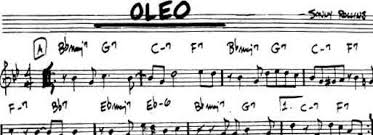
One song preformed by the Jazz Ensemble is Oleo by Sonny Rollins and arranged by Mark Taylor. This song is a stereotypical jazz song with a polyphonic musical texture. This combined with the ever-changing rhythm makes the song feel chaotic and very random. The piece was preformed by multiple trumpets, saxophones, and trombones with a piano, walking base, and a drum set. The rhythm set by the piano and the drum set was constantly changing throughout the song. The song was relatively conjunct but had periods with a very disjunct melody. The song had an overall lighthearted feel that was helped by the chaotic random nature of the piece by giving a carefree feeling.
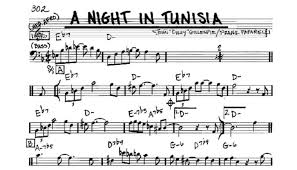
Another piece preformed by the Jazz Ensemble was A Night in Tunisia by John “Dizzy” Gillispie and Frank Paparelli arranged by Michael Philip Mossman. The work is highly polyphonic and features heavy syncopation. The rhythm of this song is fairly constant being simple duple. The beat set by the walking bass and drum set is constant and allows for the listener to follow along with the rhythm. Just like Oleo the instrumentation is the same with multiple trumpets, saxophones, and trombones with a piano, walking base, and a drum set. Overall the song is lively with a particular interest in the solos it allows for individuals to showcase their talent and through that the music becomes more homophonic with only a couple instruments playing a supporting role.
Todd Humphrey preformed Cello Concerto No.1 in C major composed by Joseph Haydn in his recital. In the Moderato the cello begins very loud and confident for the first theme while the second theme is much softer. The piece is slightly syncopated and is in the major chord. The moderato gets increasingly more complex and showcases the skill of the cellist very well. The cellist works in an ABAB manner repeating the themes twice. The adagio is much sadder and feels melancholic and not confident like the preceding movement. The form of the adagio is ABA’ with the middle section seeming even more gloomy than the first section. The change of tone is drastic and makes the listener feel even more sad with the drastic change from the adagio. Lastly, the Allegro molto finished the piece in a somewhat middle ground of the work not as triumphant, but not the melancholy the was felt in the Adagio. It features a quicker pace than the other sections and allows again for the cellist to really show his skill. It features only a piano and a cello which gives a homophony with the piano serving as an accompaniment to the cello.
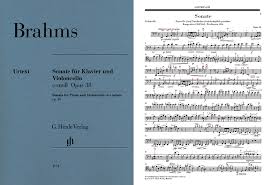
The second piece preformed by Todd Humphrey was Sonata for Piano and Cello in E minor, Op. 38 composed by Johannes Brahms. The piece starts with the first movement, Allegro non troppo, it is characterized by a minor key and by having a simple rhythm of simple duple. It sounds dark and mysterious with a conventional sonata form having an exposition, development, and then the recapitulation. The next movement, Allegretto quasi Menuetto – Trio, moves to a minuet and trio form with the classic ABA form. The second movement also feels happier than the first, but still maintain the minor key. The third movement seems to change back to sonata form just like the first movement. The third movement differs from the others by removing a feeling of the mysterious and the unknown and seems to be more rooted in reality than the other movements. Just like the first piece of the recital the instrumentation is just the cello and a piano which lends itself to the fact that the piece is homophonic with the cello leading and the piano being an accompaniment.
The main difference between the two concerts was the audience participation. In the Jazz Ensemble the audience would applaud after a performer did a solo. During the cello recital the audience only applauded in the intermission and after the performance was over. The applauding at the solos was distracting because the audience was focused on being polite and clapping when necessary which detracted from the music being played. The recital allowed for the audience to focus on the music being played and try to analyze the music as best as possible with minimal amounts of distractions. The live music allows for another level of expression for the artists. When listening to a recording it is not possible to see what they are doing and when you can see what they are doing it is easier to see the amount of skill that is going into the work. In other words, it is easier to see the dedication it takes to have talent like the performers do and just specifically how they do it. The main difference is that the performers can connect better live than in a recording. A recording allows for a connection to the audience, but without the live aspect it is not possible to see in real time exactly what the performer is doing and how they are doing it.
 Nate's Blog